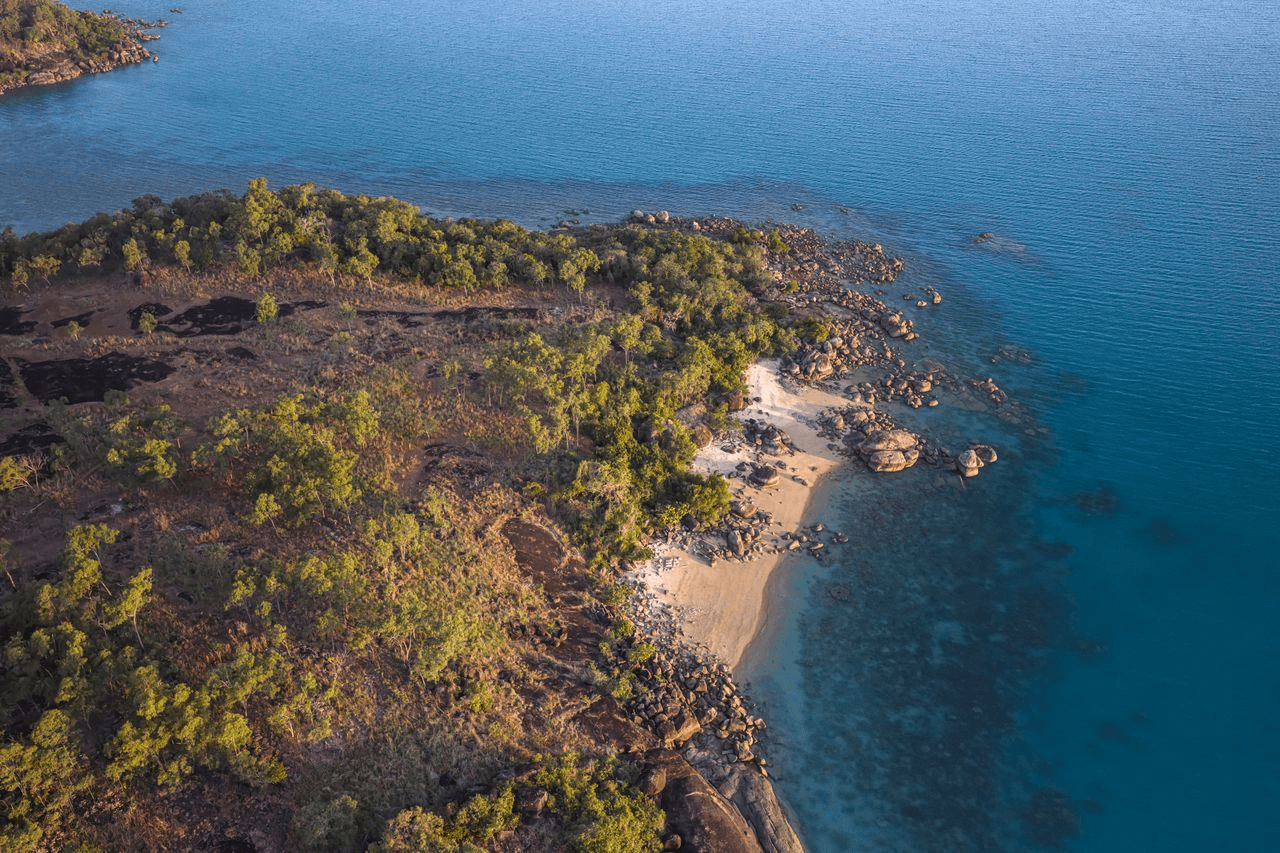
An enterprise rooted in country and kinship.
An enterprise rooted in country and kinship.
An enterprise rooted in country and kinship.
An enterprise rooted in country and kinship.
An enterprise rooted in country and kinship.
OUR STORY
OUR STORY
OUR STORY
OUR STORY
OUR STORY

WHO WE ARE
WHO WE ARE
WHO WE ARE
WHO WE ARE
WHO WE ARE
Gumatj Corporation is a 100% Yolŋu-led organisation, built by family, for family, to create a stronger future for the Gumatj clan and the wider community. Our history is grounded in advocacy, leadership and a determination to protect what matters — culture, Country, opportunity and the right to shape our own future. That spirit remains in our DNA and continues to guide how we grow, invest and lead.
Today, Gumatj holds strategically positioned land, infrastructure and commercial assets across North East Arnhem Land, with significant potential still to be realised. We see this not only as an opportunity for our people, but for aligned partners who share our long-term vision.
Gumatj Corporation is a 100% Yolŋu-led organisation, built by family, for family, to create a stronger future for the Gumatj clan and the wider community. Our history is grounded in advocacy, leadership and a determination to protect what matters — culture, Country, opportunity and the right to shape our own future. That spirit remains in our DNA and continues to guide how we grow, invest and lead.
Today, Gumatj holds strategically positioned land, infrastructure and commercial assets across North East Arnhem Land, with significant potential still to be realised. We see this not only as an opportunity for our people, but for aligned partners who share our long-term vision.
Gumatj Corporation is a 100% Yolŋu-led organisation, built by family, for family, to create a stronger future for the Gumatj clan and the wider community. Our history is grounded in advocacy, leadership and a determination to protect what matters — culture, Country, opportunity and the right to shape our own future. That spirit remains in our DNA and continues to guide how we grow, invest and lead.
Today, Gumatj holds strategically positioned land, infrastructure and commercial assets across North East Arnhem Land, with significant potential still to be realised. We see this not only as an opportunity for our people, but for aligned partners who share our long-term vision.
Gumatj Corporation is a 100% Yolŋu-led organisation, built by family, for family, to create a stronger future for the Gumatj clan and the wider community. Our history is grounded in advocacy, leadership and a determination to protect what matters — culture, Country, opportunity and the right to shape our own future. That spirit remains in our DNA and continues to guide how we grow, invest and lead.
Today, Gumatj holds strategically positioned land, infrastructure and commercial assets across North East Arnhem Land, with significant potential still to be realised. We see this not only as an opportunity for our people, but for aligned partners who share our long-term vision.
Gumatj Corporation is a 100% Yolŋu-led organisation, built by family, for family, to create a stronger future for the Gumatj clan and the wider community. Our history is grounded in advocacy, leadership and a determination to protect what matters — culture, Country, opportunity and the right to shape our own future. That spirit remains in our DNA and continues to guide how we grow, invest and lead.
Today, Gumatj holds strategically positioned land, infrastructure and commercial assets across North East Arnhem Land, with significant potential still to be realised. We see this not only as an opportunity for our people, but for aligned partners who share our long-term vision.

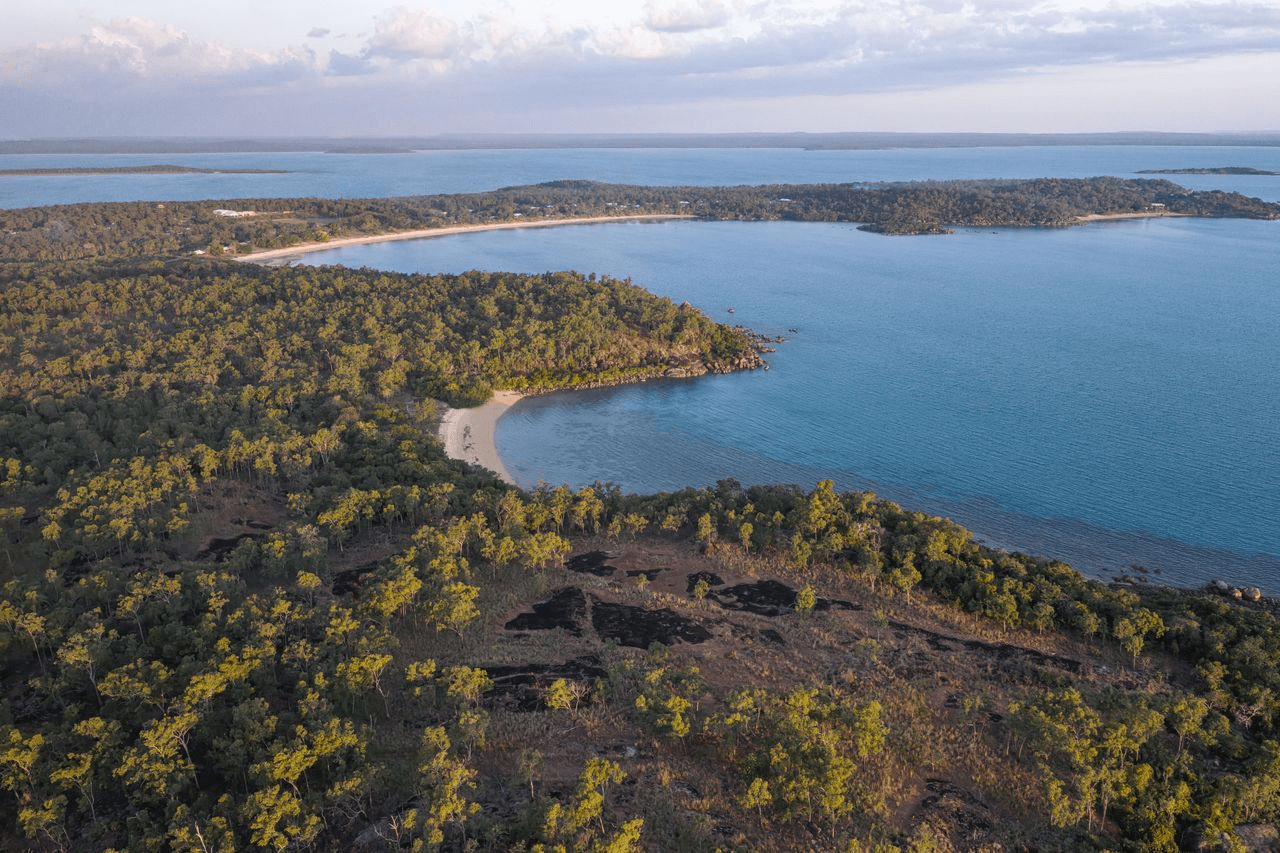
By combining cultural authority, local knowledge and commercial capability, we help accelerate responsible development on Country, unlocking opportunities that create lasting value for partners while delivering employment, enterprise, essential services and greater self-determination for Yolŋu people.
By combining cultural authority, local knowledge and commercial capability, we help accelerate responsible development on Country, unlocking opportunities that create lasting value for partners while delivering employment, enterprise, essential services and greater self-determination for Yolŋu people.
By combining cultural authority, local knowledge and commercial capability, we help accelerate responsible development on Country, unlocking opportunities that create lasting value for partners while delivering employment, enterprise, essential services and greater self-determination for Yolŋu people.
By combining cultural authority, local knowledge and commercial capability, we help accelerate responsible development on Country, unlocking opportunities that create lasting value for partners while delivering employment, enterprise, essential services and greater self-determination for Yolŋu people.

Our History
Our History
Our History
Our History
Our History
For more than 60,000 years, the Gumatj people have cared for Country, upheld culture and created opportunity through leadership and enterprise. From ancient trade and land rights advocacy to building Yolŋu-owned industries, each generation has protected what matters while creating new pathways. Today, this strength guides a future beyond mining, grounded in self-determination, cultural strength and long-term prosperity.
For more than 60,000 years, the Gumatj people have cared for Country, upheld culture and created opportunity through leadership and enterprise. From ancient trade and land rights advocacy to building Yolŋu-owned industries, each generation has protected what matters while creating new pathways. Today, this strength guides a future beyond mining, grounded in self-determination, cultural strength and long-term prosperity.
For more than 60,000 years, the Gumatj people have cared for Country, upheld culture and created opportunity through leadership and enterprise. From ancient trade and land rights advocacy to building Yolŋu-owned industries, each generation has protected what matters while creating new pathways. Today, this strength guides a future beyond mining, grounded in self-determination, cultural strength and long-term prosperity.

60,000 YEARS AGO
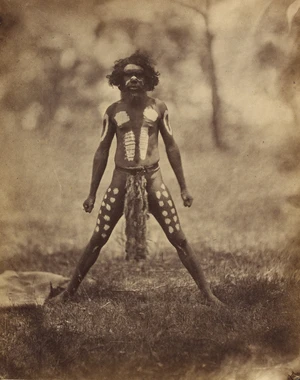
Traditional Heritage & Practices: The Gumatj clan, part of the Yolŋu people, have inhabited North East Arnhem Land for over 60 thousand years. Their society is organised around complex kinship systems and seasonal movements and deep understanding of the land.
60,000 YEARS AGO
Cultural vitality: The Gumatj clan of the Yolŋu people lived with a profound cultural connection to the land, intricate trade networks, sophisticated land management, complex social constructs and innovative construction while living in harmony with nature.
18TH CENTURY
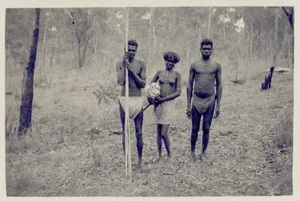
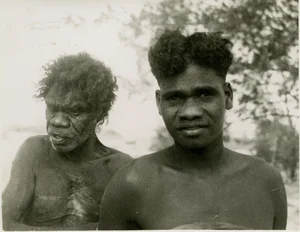
These interactions introduce metal tools and new economic opportunities, enriching the cultural and economic landscape of Arnhem Land.
18TH CENTURY
Macassan trade expands: Trade between the Macassans and Yolŋu expands to goods including cloth, tobacco, metal, tools and canoes. This significantly boosted the local economy and introduced new goods & technologies.
19TH CENTURY
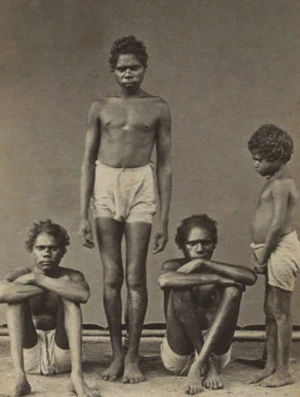
This relationship was deep and intertwined which demonstrates the Yolŋu's long-standing connection to and exchange with other cultures across the region.
1935
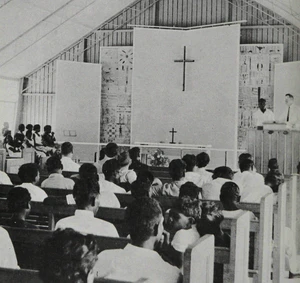
This assimilation was forced on Yolŋu people without their without their consent, disrupting long-held cultural and spiritual practices.

1938
Missionaries set out to achieve economic prosperity while preserving the Aboriginal culture resulting in a duality of traditional Yolŋu law and Christian teaching that persists today.
1942
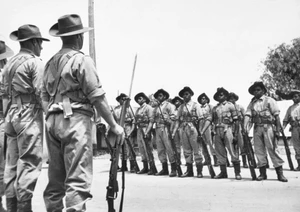
Military Impact of WW2: World War II sees the Northern Territory become a significant military staging point. The construction of airfields and other infrastructure brings profound changes to the traditional lands of the Gumatj, with long-term environmental and social impacts. Yolŋu people could see their country transformed almost overnight.
1951
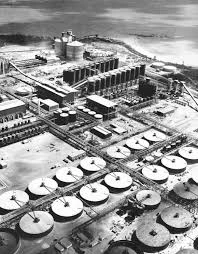
Development of Bauxite Mine begins: Establishment of the bauxite mine and the town of Nhulunbuy following a lease to Nabalco drastically changed the landscape and livelihoods of the Gumatj people. This triggers widespread resistance among the Yolŋu clans.
1963
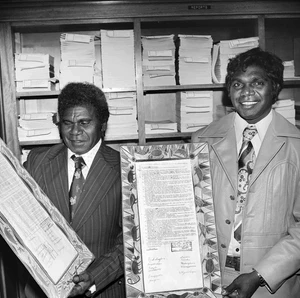
Bark Petition Signed: Yolŋu leaders from Yirrkala, including members of the Gumatj clan, send the Bark Petitions to the Australian Parliament. These petitions argue against the mining lease on grounds of inadequate consultation over land rights, marking a landmark in Indigenous legal recognition, being the first traditional Aboriginal documents recognised by the Australian Parliament.
1971
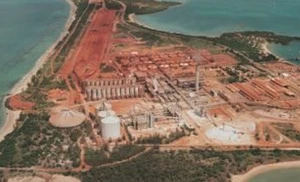
Bauxite mine opens: When the bauxite mine opened in Gove, many Indigenous Yolŋu people felt a deep sense of loss and frustration, as the development encroached on their traditional lands, disrupted their cultural practices, and was initiated without their full consent or proper consultation.
1976
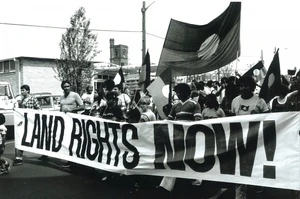
Aboriginal Land Rights: The passing of the Northern Territory Aboriginal Land Rights Act 1976, influenced by the advocacy efforts of the Gumatj and other Yolŋu clans, acknowledges Aboriginal Australians' rights to claim land in the Northern Territory.

1988
Gunyangara Relocation: The Gumatj clan, led by senior members, relocates to Gunyangara (Ski Beach) to establish a community settlement focused on cultural preservation away from the mining activities at Nhulunbuy.
1991
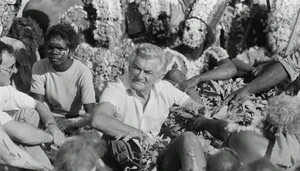
First Garma Festival hosted: In Yolŋu language, Garma means “two-way learning process” and launched as an opportunity for Yolŋu clans to come together to discuss their future, self determination and health of their people. Garma has been hosted on Gumatj land since its inception.

1992
Mining Negotiations Commence: The Gumatj begin formal negotiations with mining companies, demanding a direct say in the environmental management of their traditional lands, leading to better protection measures for sacred sites.

2007
Gumatj Corporation Established: Gumatj Corporation opens to manage economic benefits derived from land use agreements with mining companies, and building opportunities separate from royalties. This initiative marks a shift towards greater economic autonomy and community-led development.

2010
Opening of Gulkula Mine: In a historic move, the Gumatj clan under leadership figures including Djawa Yunupingu, initiate the first indigenous-owned mining operation in partnership with Rio Tinto, setting a precedent for Indigenous corporate management in Australia.
2011
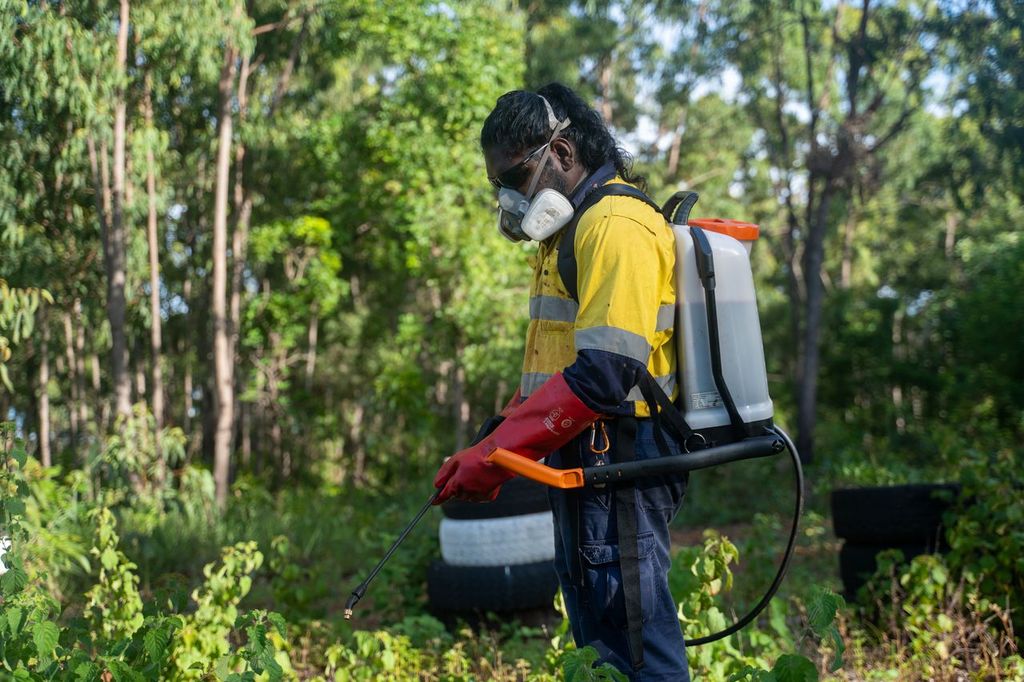
Agreement with Rio Tinto signed: Rio Tinto signed the Gove Traditional Owners Agreement with the Gumatj, Rirratjingu and Galpu. It was the first of its kind in Australia, providing economic development, jobs & training, land & environmental management, royalties, cultural site protection and contracting business opportunities.

2014
Launch of Delta Reef Gumatj: Delta Reef Gumatj is formed to deliver construction and maintenance services to the region, diversifying Gumatj Corporation and providing jobs to Yolŋu people.
2017
Ngarrariyal Gumatj opens: Ngarrariyal is established to oversee the lease management of Gunyangara to best service the Yolŋu locals that reside on the island. This is a historic moment as the Gumatj people have ownership over decision rights about what happens on their land.

2020
First rocket launched at the Arnhem Space Centre: Gumatj Corporation negotiated with the Australian Space Agency to establish a launch site on Gumatj land, aimed at bringing cutting-edge technology and further economic opportunities to the community.
2022
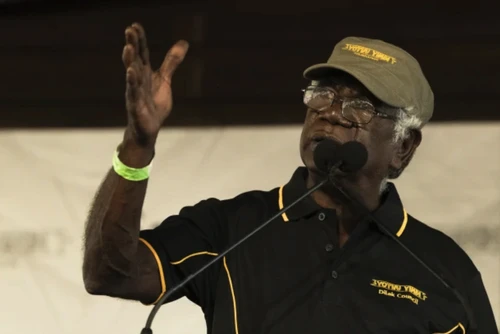
Landmark Native Title Court Decision: Gumatj won an ongoing court case which ruled in favour of Gumatj for compensation claims against the government taking land to build the mine and the negative impacts that had on the region.
2023
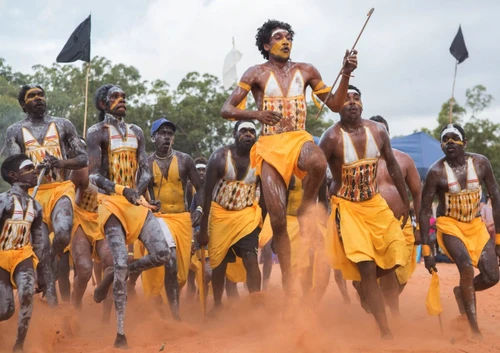
24th Annual Garma Festival: Garma Festival is hosted for the 24th time on Gumatj land, which has become a significant cultural and political event, drawing national and international attention to Yolŋu cultures and serving as a platform for cross-cultural dialogue and education.
2024
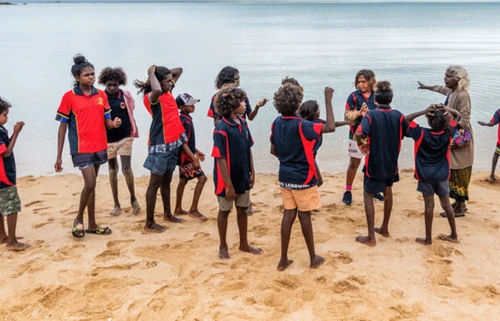
Preparation for post mining economy: As the Rio Tinto mine is set to close in 2030, the Gumatj clan and corporation expands operations in other sectors such as construction, maintenance, engineering, tourism and local services.
FUTURE
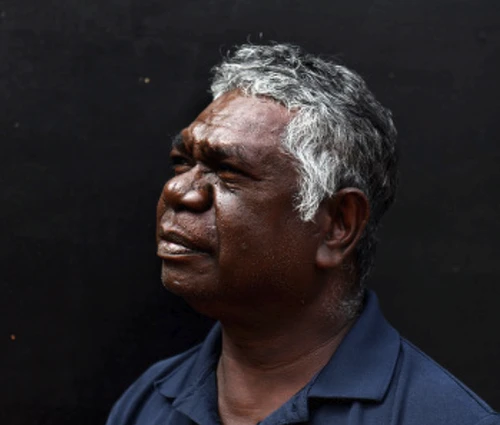
Future vision for Gumatj: Under the leadership Board Chairman, Djawa, the Gumatj clan continues to focus on strategic projects. The community strives to balance modern economic opportunities with the preservation and celebration of their rich cultural heritage, ensuring a resilient and sustainable future that honours both tradition and progress.
60,000 YEARS AGO
Traditional Heritage & Practices: The Gumatj clan, part of the Yolŋu people, have inhabited North East Arnhem Land for over 60 thousand years. Their society is organised around complex kinship systems and seasonal movements and deep understanding of the land.
60,000 YEARS AGO
Cultural vitality: The Gumatj clan of the Yolŋu people lived with a profound cultural connection to the land, intricate trade networks, sophisticated land management, complex social constructs and innovative construction while living in harmony with nature.
18TH CENTURY
These interactions introduce metal tools and new economic opportunities, enriching the cultural and economic landscape of Arnhem Land.
18TH CENTURY
Macassan trade expands: Trade between the Macassans and Yolŋu expands to goods including cloth, tobacco, metal, tools and canoes. This significantly boosted the local economy and introduced new goods & technologies.
19TH CENTURY
This relationship was deep and intertwined which demonstrates the Yolŋu's long-standing connection to and exchange with other cultures across the region.
1935
This assimilation was forced on Yolŋu people without their without their consent, disrupting long-held cultural and spiritual practices.
1938
Missionaries set out to achieve economic prosperity while preserving the Aboriginal culture resulting in a duality of traditional Yolŋu law and Christian teaching that persists today.
1942
Military Impact of WW2: World War II sees the Northern Territory become a significant military staging point. The construction of airfields and other infrastructure brings profound changes to the traditional lands of the Gumatj, with long-term environmental and social impacts. Yolŋu people could see their country transformed almost overnight.
1951
Development of Bauxite Mine begins: Establishment of the bauxite mine and the town of Nhulunbuy following a lease to Nabalco drastically changed the landscape and livelihoods of the Gumatj people. This triggers widespread resistance among the Yolŋu clans.
1963
Bark Petition Signed: Yolŋu leaders from Yirrkala, including members of the Gumatj clan, send the Bark Petitions to the Australian Parliament. These petitions argue against the mining lease on grounds of inadequate consultation over land rights, marking a landmark in Indigenous legal recognition, being the first traditional Aboriginal documents recognised by the Australian Parliament.
1971
Bauxite mine opens: When the bauxite mine opened in Gove, many Indigenous Yolŋu people felt a deep sense of loss and frustration, as the development encroached on their traditional lands, disrupted their cultural practices, and was initiated without their full consent or proper consultation.
1976
Aboriginal Land Rights: The passing of the Northern Territory Aboriginal Land Rights Act 1976, influenced by the advocacy efforts of the Gumatj and other Yolŋu clans, acknowledges Aboriginal Australians' rights to claim land in the Northern Territory.
1988
Gunyangara Relocation: The Gumatj clan, led by senior members, relocates to Gunyangara (Ski Beach) to establish a community settlement focused on cultural preservation away from the mining activities at Nhulunbuy.
1991
First Garma Festival hosted: In Yolŋu language, Garma means “two-way learning process” and launched as an opportunity for Yolŋu clans to come together to discuss their future, self determination and health of their people. Garma has been hosted on Gumatj land since its inception.
1992
Mining Negotiations Commence: The Gumatj begin formal negotiations with mining companies, demanding a direct say in the environmental management of their traditional lands, leading to better protection measures for sacred sites.
2007
Gumatj Corporation Established: Gumatj Corporation opens to manage economic benefits derived from land use agreements with mining companies, and building opportunities separate from royalties. This initiative marks a shift towards greater economic autonomy and community-led development.
2010
Opening of Gulkula Mine: In a historic move, the Gumatj clan under leadership figures including Djawa Yunupingu, initiate the first indigenous-owned mining operation in partnership with Rio Tinto, setting a precedent for Indigenous corporate management in Australia.
2011
Agreement with Rio Tinto signed: Rio Tinto signed the Gove Traditional Owners Agreement with the Gumatj, Rirratjingu and Galpu. It was the first of its kind in Australia, providing economic development, jobs & training, land & environmental management, royalties, cultural site protection and contracting business opportunities.
2014
Launch of Delta Reef Gumatj: Delta Reef Gumatj is formed to deliver construction and maintenance services to the region, diversifying Gumatj Corporation and providing jobs to Yolŋu people.
2017
Ngarrariyal Gumatj opens: Ngarrariyal is established to oversee the lease management of Gunyangara to best service the Yolŋu locals that reside on the island. This is a historic moment as the Gumatj people have ownership over decision rights about what happens on their land.
2020
First rocket launched at the Arnhem Space Centre: Gumatj Corporation negotiated with the Australian Space Agency to establish a launch site on Gumatj land, aimed at bringing cutting-edge technology and further economic opportunities to the community.
2022
Landmark Native Title Court Decision: Gumatj won an ongoing court case which ruled in favour of Gumatj for compensation claims against the government taking land to build the mine and the negative impacts that had on the region.
2023
24th Annual Garma Festival: Garma Festival is hosted for the 24th time on Gumatj land, which has become a significant cultural and political event, drawing national and international attention to Yolŋu cultures and serving as a platform for cross-cultural dialogue and education.
2024
Preparation for post mining economy: As the Rio Tinto mine is set to close in 2030, the Gumatj clan and corporation expands operations in other sectors such as construction, maintenance, engineering, tourism and local services.
FUTURE
Future vision for Gumatj: Under the leadership Board Chairman, Djawa, the Gumatj clan continues to focus on strategic projects. The community strives to balance modern economic opportunities with the preservation and celebration of their rich cultural heritage, ensuring a resilient and sustainable future that honours both tradition and progress.
60,000 YEARS AGO
Traditional Heritage & Practices: The Gumatj clan, part of the Yolŋu people, have inhabited North East Arnhem Land for over 60 thousand years. Their society is organised around complex kinship systems and seasonal movements and deep understanding of the land.
60,000 YEARS AGO
Cultural vitality: The Gumatj clan of the Yolŋu people lived with a profound cultural connection to the land, intricate trade networks, sophisticated land management, complex social constructs and innovative construction while living in harmony with nature.
18TH CENTURY
These interactions introduce metal tools and new economic opportunities, enriching the cultural and economic landscape of Arnhem Land.
18TH CENTURY
Macassan trade expands: Trade between the Macassans and Yolŋu expands to goods including cloth, tobacco, metal, tools and canoes. This significantly boosted the local economy and introduced new goods & technologies.
19TH CENTURY
This relationship was deep and intertwined which demonstrates the Yolŋu's long-standing connection to and exchange with other cultures across the region.
1935
This assimilation was forced on Yolŋu people without their without their consent, disrupting long-held cultural and spiritual practices.
1938
Missionaries set out to achieve economic prosperity while preserving the Aboriginal culture resulting in a duality of traditional Yolŋu law and Christian teaching that persists today.
1942
Military Impact of WW2: World War II sees the Northern Territory become a significant military staging point. The construction of airfields and other infrastructure brings profound changes to the traditional lands of the Gumatj, with long-term environmental and social impacts. Yolŋu people could see their country transformed almost overnight.
1951
Development of Bauxite Mine begins: Establishment of the bauxite mine and the town of Nhulunbuy following a lease to Nabalco drastically changed the landscape and livelihoods of the Gumatj people. This triggers widespread resistance among the Yolŋu clans.
1963
Bark Petition Signed: Yolŋu leaders from Yirrkala, including members of the Gumatj clan, send the Bark Petitions to the Australian Parliament. These petitions argue against the mining lease on grounds of inadequate consultation over land rights, marking a landmark in Indigenous legal recognition, being the first traditional Aboriginal documents recognised by the Australian Parliament.
1971
Bauxite mine opens: When the bauxite mine opened in Gove, many Indigenous Yolŋu people felt a deep sense of loss and frustration, as the development encroached on their traditional lands, disrupted their cultural practices, and was initiated without their full consent or proper consultation.
1976
Aboriginal Land Rights: The passing of the Northern Territory Aboriginal Land Rights Act 1976, influenced by the advocacy efforts of the Gumatj and other Yolŋu clans, acknowledges Aboriginal Australians' rights to claim land in the Northern Territory.
1988
Gunyangara Relocation: The Gumatj clan, led by senior members, relocates to Gunyangara (Ski Beach) to establish a community settlement focused on cultural preservation away from the mining activities at Nhulunbuy.
1991
First Garma Festival hosted: In Yolŋu language, Garma means “two-way learning process” and launched as an opportunity for Yolŋu clans to come together to discuss their future, self determination and health of their people. Garma has been hosted on Gumatj land since its inception.
1992
Mining Negotiations Commence: The Gumatj begin formal negotiations with mining companies, demanding a direct say in the environmental management of their traditional lands, leading to better protection measures for sacred sites.
2007
Gumatj Corporation Established: Gumatj Corporation opens to manage economic benefits derived from land use agreements with mining companies, and building opportunities separate from royalties. This initiative marks a shift towards greater economic autonomy and community-led development.
2010
Opening of Gulkula Mine: In a historic move, the Gumatj clan under leadership figures including Djawa Yunupingu, initiate the first indigenous-owned mining operation in partnership with Rio Tinto, setting a precedent for Indigenous corporate management in Australia.
2011
Agreement with Rio Tinto signed: Rio Tinto signed the Gove Traditional Owners Agreement with the Gumatj, Rirratjingu and Galpu. It was the first of its kind in Australia, providing economic development, jobs & training, land & environmental management, royalties, cultural site protection and contracting business opportunities.
2014
Launch of Delta Reef Gumatj: Delta Reef Gumatj is formed to deliver construction and maintenance services to the region, diversifying Gumatj Corporation and providing jobs to Yolŋu people.
2017
Ngarrariyal Gumatj opens: Ngarrariyal is established to oversee the lease management of Gunyangara to best service the Yolŋu locals that reside on the island. This is a historic moment as the Gumatj people have ownership over decision rights about what happens on their land.
2020
First rocket launched at the Arnhem Space Centre: Gumatj Corporation negotiated with the Australian Space Agency to establish a launch site on Gumatj land, aimed at bringing cutting-edge technology and further economic opportunities to the community.
2022
Landmark Native Title Court Decision: Gumatj won an ongoing court case which ruled in favour of Gumatj for compensation claims against the government taking land to build the mine and the negative impacts that had on the region.
2023
24th Annual Garma Festival: Garma Festival is hosted for the 24th time on Gumatj land, which has become a significant cultural and political event, drawing national and international attention to Yolŋu cultures and serving as a platform for cross-cultural dialogue and education.
2024
Preparation for post mining economy: As the Rio Tinto mine is set to close in 2030, the Gumatj clan and corporation expands operations in other sectors such as construction, maintenance, engineering, tourism and local services.
FUTURE
Future vision for Gumatj: Under the leadership Board Chairman, Djawa, the Gumatj clan continues to focus on strategic projects. The community strives to balance modern economic opportunities with the preservation and celebration of their rich cultural heritage, ensuring a resilient and sustainable future that honours both tradition and progress.
60,000 YEARS AGO
Traditional Heritage & Practices: The Gumatj clan, part of the Yolŋu people, have inhabited North East Arnhem Land for over 60 thousand years. Their society is organised around complex kinship systems and seasonal movements and deep understanding of the land.
60,000 YEARS AGO
Cultural vitality: The Gumatj clan of the Yolŋu people lived with a profound cultural connection to the land, intricate trade networks, sophisticated land management, complex social constructs and innovative construction while living in harmony with nature.
18TH CENTURY
Macassan trade begins: Macassan traders from Sulawesi (Indonesia) begin interactions with the Yolŋu people, including the Gumatj clan, initiating trade of trepang (sea cucumber). These interactions introduce metal tools and new economic opportunities, enriching the cultural exchange.
18TH CENTURY
Macassan trade expands: Trade between the Macassans and Yolŋu expands to goods including cloth, tobacco, metal, tools and canoes. This significantly boosted the local economy and introduced new goods & technologies.
19TH CENTURY
Importance of the Macassan relationship: The interactions with the Macassans enriched Yolŋu culture, with language, customs, art, religion and culinary influences still evident today. This relationship was deep and intertwined which demonstrates the Yolŋu’s long-standing connection to and sovereignty over their lands.
1935
Methodist Missionaries Arrive: Methodist missionaries establish a mission at Yirrkala, impacting the religious and social structure of the Gumatj and other local clans by introducing Christianity and Western education methods. This assimilation was forced on Yolŋu people without their consent.
1938
Missions influence Yolŋu culture: This mission was one of the last built in Australia, and they leveraged learnings of earlier missions on the importance of mutual respect. Missionaries set out to achieve economic prosperity while preserving the Aboriginal culture resulting in a duality existing between the benefits and struggles.
1942
Military Impact of WW2: World War II sees the Northern Territory become a significant military staging point. The construction of airfields and other infrastructure brings profound changes to the traditional lands of the Gumatj, with long-term environmental and social impacts. Yolŋu people could enlist in the army for the first time and hundreds served during WW2.
1951
Development of Bauxite Mine begins: Establishment of the bauxite mine and the town of Nhulunbuy following a lease to Nabalco drastically changed the landscape and livelihoods of the Gumatj people. This triggers widespread resistance among the Yolŋu clans.
1963
Bark Petition Signed: Yolŋu leaders from Yirrkala, including members of the Gumatj clan, send the Bark Petitions to the Australian Parliament. These petitions argue against the mining lease on grounds of inadequate consultation over land rights, marking a landmark in Indigenous legal advocacy.
1971
Bauxite mine opens: When the bauxite mine opened in Gove, many Indigenous Yolŋu people felt a deep sense of loss and frustration, as the development encroached on their traditional lands, disrupted their cultural practices, and was initiated without their full consent or proper consultation.
1976
Aboriginal Land Rights: The passing of the Northern Territory Aboriginal Land Rights Act 1976, influenced by the advocacy efforts of the Gumatj and other Yolŋu clans, acknowledges Aboriginal Australians' rights to claim land in the Northern Territory.
1988
Gunyangara Relocation: The Gumatj clan, led by senior members, relocates to Gunyangara (Ski Beach) to establish a community settlement focused on cultural preservation away from the mining activities at Nhulunbuy.
1991
First Garma Festival hosted: In Yolŋu language, Garma means “two-way learning process” and launched as an opportunity for Yolŋu clans to come together to discuss their future, self determination and health of their people. Garma has been hosted on Gumatj land since its inception.
1992
Mining Negotiations Commence: The Gumatj begin formal negotiations with mining companies, demanding a direct say in the environmental management of their traditional lands, leading to better protection measures for sacred sites.
2007
Gumatj Corporation Established: Gumatj Corporation opens to manage economic benefits derived from land use agreements with mining companies, and building opportunities separate from royalties. This initiative marks a shift towards greater economic autonomy and community-led development.
2010
Opening of Gulkula Mine: In a historic move, the Gumatj clan under leadership figures including Djawa Yunupingu, initiate the first indigenous-owned mining operation in partnership with Rio Tinto, setting a precedent for Indigenous corporate management in Australia.
2011
Agreement with Rio Tinto signed: Rio Tinto signed the Gove Traditional Owners Agreement with the Gumatj, Rirratjingu and Galpu. It was the first of its kind in Australia, providing economic development, jobs & training, land & environmental management, royalties, cultural site protection and business opportunities.
2014
Launch of Delta Reef Gumatj: Delta Reef Gumatj is formed to deliver construction and maintenance services to the region, diversifying Gumatj Corporation and providing jobs to Yolŋu people.
2017
Ngarrariyal Gumatj opens: Ngarrariyal is established to oversee the lease management of Gunyangara to best service the Yolŋu locals that reside on the island. This is a historic moment as the Gumatj people have ownership over decision rights about what happens on their land.
2020
First rocket launched at the Arnhem Space Centre: Gumatj Corporation negotiate with the Australian Space Agency to establish a launch site on Gumatj land, aimed at bringing cutting-edge technology and further economic opportunities to the community. The first rocket was launched by NASA.
2022
Landmark Native Title Court Decision: Gumatj won an ongoing court case which ruled in favour of Gumatj for compensation claims against the government taking land to build the mine and the negative impacts that had on the region.
2023
24th Annual Garma Festival: Garma Festival is hosted for the 24th time on Gumatj land, which has become a significant cultural and political event, drawing national and international attention to Yolŋu cultures and serving as a platform for cross-cultural dialogue and education.
2024
Preparation for post mining economy: As the Rio Tinto mine is set to close in 2030, the Gumatj clan and corporation expands operations in other sectors such as construction, maintenance, engineering, tourism and local services.
FUTURE
Future vision for Gumatj: Under the leadership Board Chairman, Djawa, the Gumatj clan continues to focus on strategic projects. The community strives to balance modern economic opportunities with the preservation and celebration of their rich cultural heritage, ensuring a resilient and thriving future for the Gumatj people.

Gumatj will continue to build enterprises that preserve culture, strengthen community and create enduring prosperity. Guided by Country and led by Yolŋu people, we are exploring and engaging aligned partners to unlock opportunity, build local capability and ensure future generations inherit something stronger.
Gumatj will continue to build enterprises that preserve culture, strengthen community and create enduring prosperity. Guided by Country and led by Yolŋu people, we are exploring and engaging aligned partners to unlock opportunity, build local capability and ensure future generations inherit something stronger.
Gumatj will continue to build enterprises that preserve culture, strengthen community and create enduring prosperity. Guided by Country and led by Yolŋu people, we are exploring and engaging aligned partners to unlock opportunity, build local capability and ensure future generations inherit something stronger.
Gumatj will continue to build enterprises that preserve culture, strengthen community and create enduring prosperity. Guided by Country and led by Yolŋu people, we are exploring and engaging aligned partners to unlock opportunity, build local capability and ensure future generations inherit something stronger.
Gumatj will continue to build enterprises that preserve culture, strengthen community and create enduring prosperity. Guided by Country and led by Yolŋu people, we are exploring and engaging aligned partners to unlock opportunity, build local capability and ensure future generations inherit something stronger.
OUR VALUES
OUR VALUES
OUR VALUES
OUR VALUES
OUR VALUES
Our values guide how we care for Country, support our people and build for the future. They shape every decision we make, every enterprise we grow and every partnership we enter.
Our values guide how we care for Country, support our people and build for the future. They shape every decision we make, every enterprise we grow and every partnership we enter.
Our values guide how we care for Country, support our people and build for the future. They shape every decision we make, every enterprise we grow and every partnership we enter.
Our values guide how we care for Country, support our people and build for the future. They shape every decision we make, every enterprise we grow and every partnership we enter.
Cultural Preservation
Cultural Preservation
Cultural Preservation
We protect and strengthen Yolŋu culture by keeping language, lore, knowledge and traditions at the centre of our work. We carry this responsibility forward so future generations remain connected to Country, family and identity.
We protect and strengthen Yolŋu culture by keeping language, lore, knowledge and traditions at the centre of our work. We carry this responsibility forward so future generations remain connected to Country, family and identity.
We protect and strengthen Yolŋu culture by keeping language, lore, knowledge and traditions at the centre of our work. We carry this responsibility forward so future generations remain connected to Country, family and identity.
We protect and strengthen Yolŋu culture by keeping language, lore, knowledge and traditions at the centre of our work. We carry this responsibility forward so future generations remain connected to Country, family and identity.
We protect and strengthen Yolŋu culture by keeping language, lore, knowledge and traditions at the centre of our work. We carry this responsibility forward so future generations remain connected to Country, family and identity.
Community Empowerment
Community Empowerment
We believe lasting progress must be Yolŋu-led. We create pathways for our people to build skills, secure meaningful employment, lead enterprises and shape the decisions that affect their future.
We believe lasting progress must be Yolŋu-led. We create pathways for our people to build skills, secure meaningful employment, lead enterprises and shape the decisions that affect their future.
We believe lasting progress must be Yolŋu-led. We create pathways for our people to build skills, secure meaningful employment, lead enterprises and shape the decisions that affect their future.
We believe lasting progress must be Yolŋu-led. We create pathways for our people to build skills, secure meaningful employment, lead enterprises and shape the decisions that affect their future.
Community Empowerment
We believe lasting progress must be Yolŋu-led. We create pathways for our people to build skills, secure meaningful employment, lead enterprises and shape the decisions that affect their future.
Social Impact
Social Impact
We use enterprise as a force for long-term good. By combining cultural knowledge with commercial capability and modern innovation, we create opportunities that strengthen community, improve wellbeing and support greater self-determination.
We use enterprise as a force for long-term good. By combining cultural knowledge with commercial capability and modern innovation, we create opportunities that strengthen community, improve wellbeing and support greater self-determination.
We use enterprise as a force for long-term good. By combining cultural knowledge with commercial capability and modern innovation, we create opportunities that strengthen community, improve wellbeing and support greater self-determination.
We use enterprise as a force for long-term good. By combining cultural knowledge with commercial capability and modern innovation, we create opportunities that strengthen community, improve wellbeing and support greater self-determination.
Social Impact
We use enterprise as a force for long-term good. By combining cultural knowledge with commercial capability and modern innovation, we create opportunities that strengthen community, improve wellbeing and support greater self-determination.

OUR PEOPLE
OUR PEOPLE
OUR PEOPLE
OUR PEOPLE
OUR PEOPLE

Djawa Yunupingu
Executive Chairman
Djawa Yunupingu
Executive Chairman
Djawa Yunupingu
Executive Chairman

BINMILA (LISA) YUNUPINGU
Board Member
BINMILA (LISA) YUNUPINGU
Board Member
BINMILA (LISA) YUNUPINGU
Board Member

DELA MUNUNGGURR
Board Member
DELA MUNUNGGURR
Board Member
DELA MUNUNGGURR
Board Member
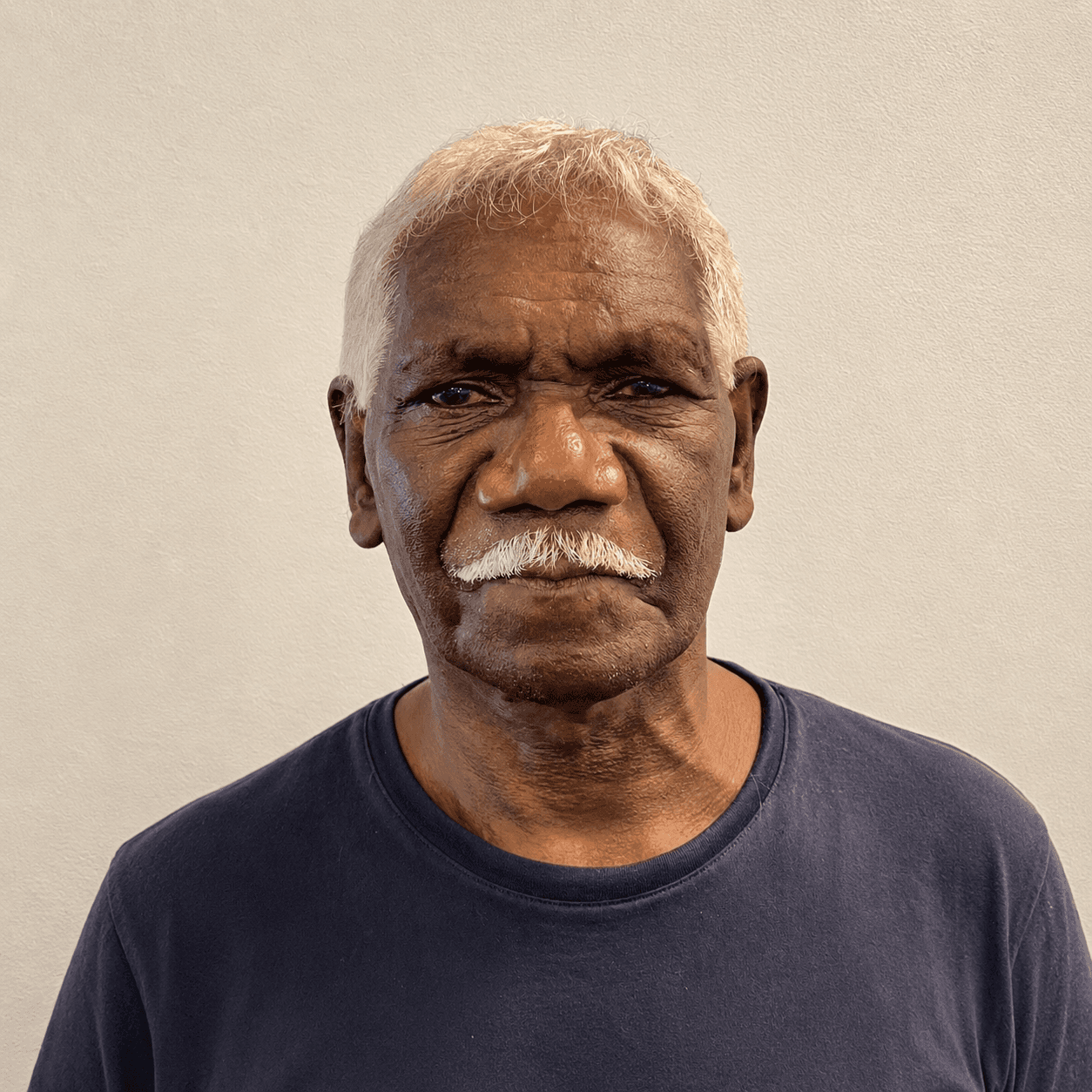
NUNGKI YUNUPINGU
Executive Chairman
NUNGKI YUNUPINGU
Executive Chairman
NUNGKI YUNUPINGU
Executive Chairman
NUNGKI YUNUPINGU
Executive Chairman

TIMMY (DJAWA) BURRARRWANGA
Board Member
TIMMY (DJAWA) BURRARRWANGA
Board Member
TIMMY (DJAWA) BURRARRWANGA
Board Member
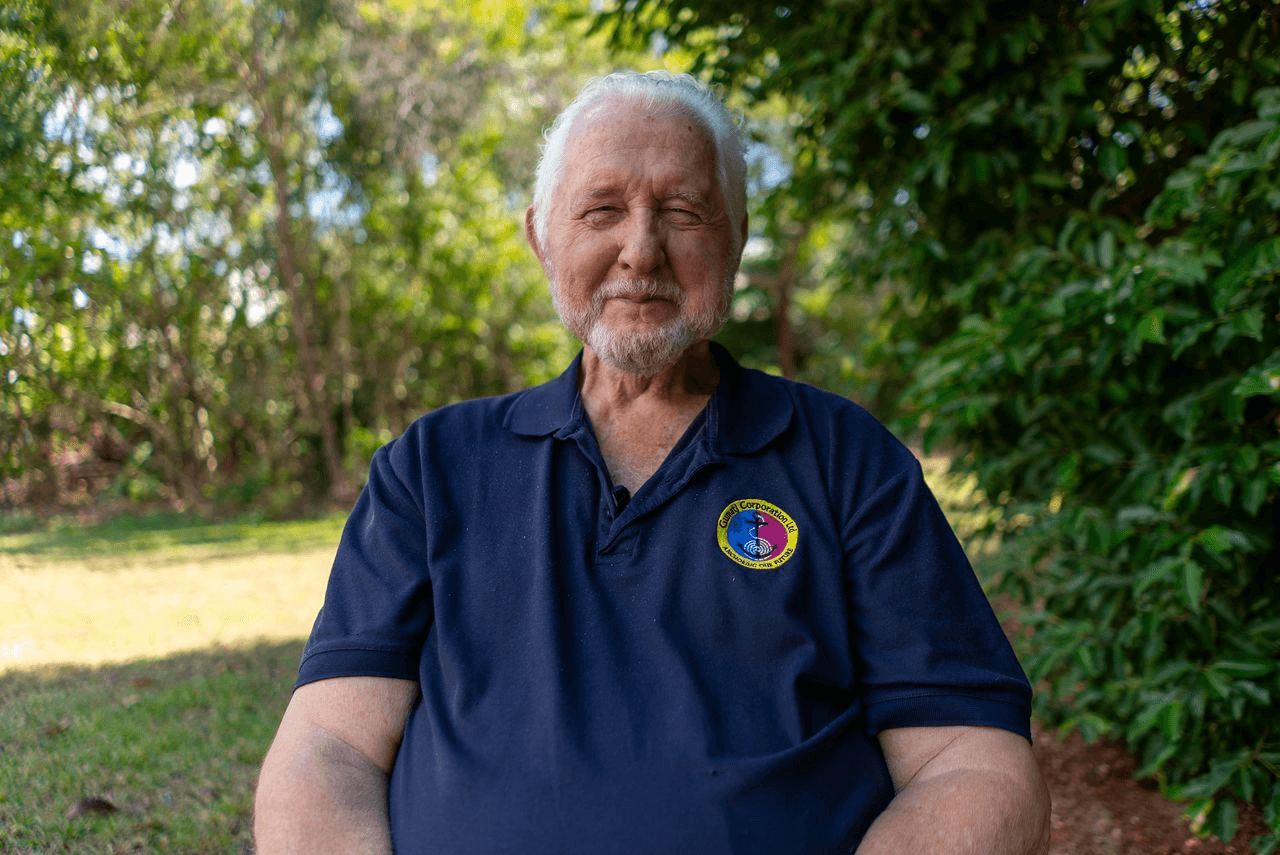
KLAUS HELMS
Chief Executive Officer
Gumatj Corporation
KLAUS HELMS
Chief Executive Officer
Gumatj Corporation
KLAUS HELMS
Chief Executive Officer
Gumatj Corporation

MICHAEL YUNUPINGU
Board Member & Operations Coordinator
Gumatj Corporation
MICHAEL YUNUPINGU
Board Member & Operations Coordinator
Gumatj Corporation
MICHAEL YUNUPINGU
Board Member & Operations Coordinator
Gumatj Corporation
MICHAEL YUNUPINGU
Board Member & Operations Coordinator
Gumatj Corporation
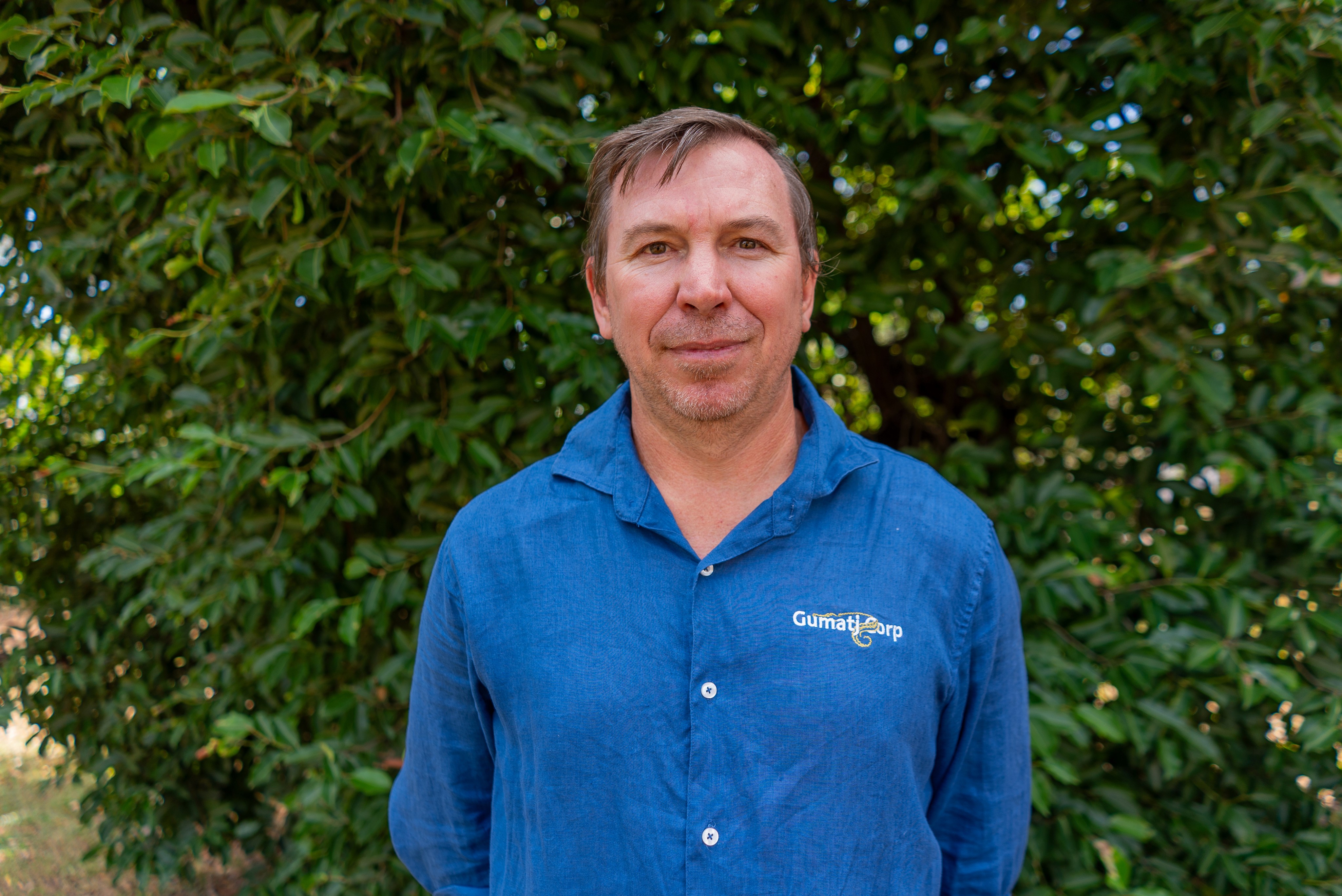
Shawn Kidner
Chief Operating Officer
Gumatj Corporation
Shawn Kidner
Chief Operating Officer
Gumatj Corporation
Shawn Kidner
Chief Operating Officer
Gumatj Corporation
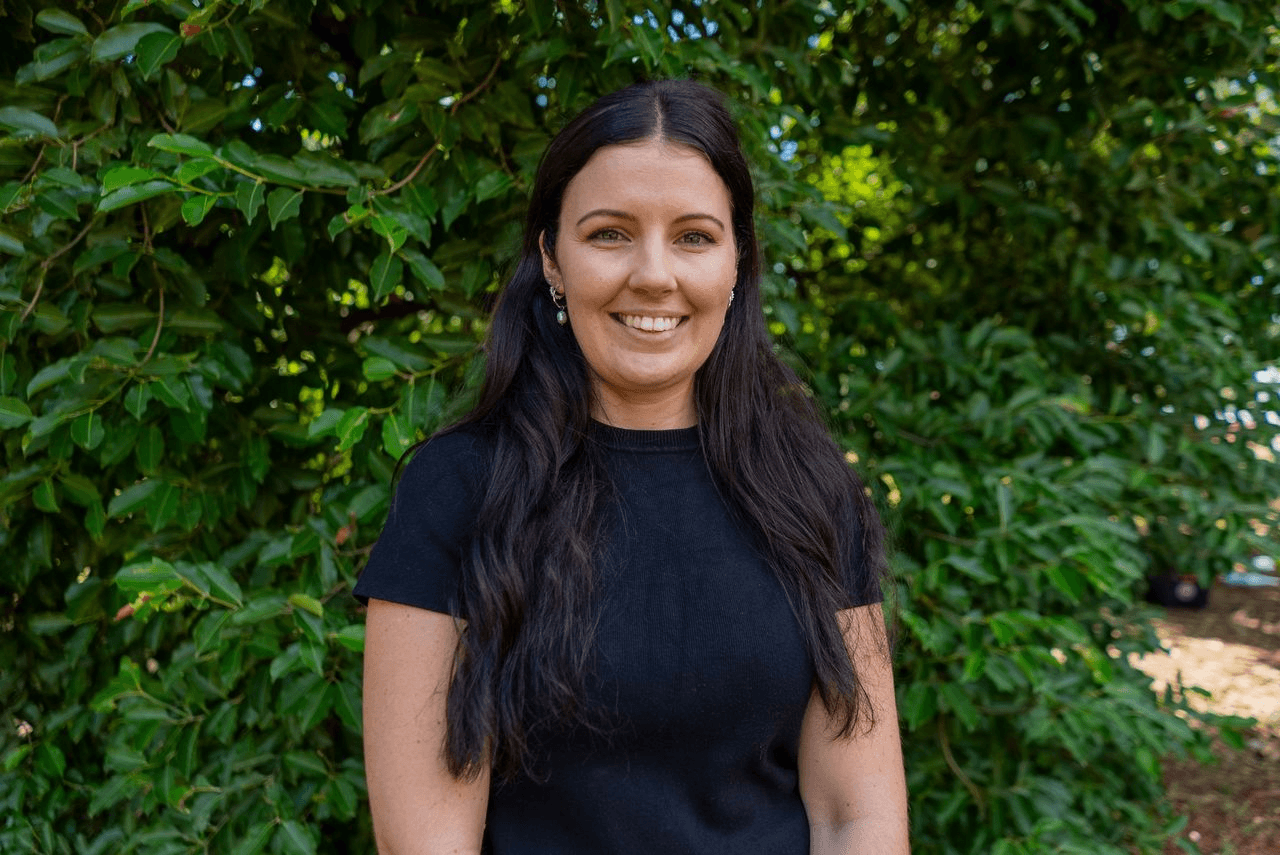
LAUREN HEALD
General Manager
Gumatj Corporation
LAUREN HEALD
General Manager
Gumatj Corporation
LAUREN HEALD
General Manager
Gumatj Corporation

ZAC JAHN
General Manager
Gumatj Corporation
ZAC JAHN
General Manager
Gumatj Corporation
ZAC JAHN
General Manager
Gumatj Corporation
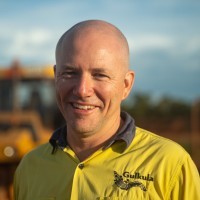
KEN KAHLER
General Manager
Gumatj Resources
KEN KAHLER
General Manager
Gumatj Resources
KEN KAHLER
General Manager
Gumatj Resources

Sibi Vijayalayan
General Manager
Gumatj Civil
Sibi Vijayalayan
General Manager
Gumatj Civil
Sibi Vijayalayan
General Manager
Gumatj Civil

MATT KEAST
General Manager
Gumatj Development
MATT KEAST
General Manager
Gumatj Development
MATT KEAST
General Manager
Gumatj Development

TERESE MARCHESI
General Manager
Gumatj Impact
TERESE MARCHESI
General Manager
Gumatj Impact
TERESE MARCHESI
General Manager
Gumatj Impact
TERESE MARCHESI
General Manager
Gumatj Impact

Join our team to make a difference
Join our team to make a difference
Join our team to
make a difference
Join our team to make a difference
Join our team to
make a difference
We are always looking for experienced professionals to join our team across a range of industries. Explore current opportunities to work with Gumatj, build your career and contribute to a stronger future for East Arnhem Land.
We are always looking for experienced professionals to join our team across a range of industries. Explore current opportunities to work with Gumatj, build your career and contribute to a stronger future for East Arnhem Land.
We are always looking for experienced professionals to join our team across a range of industries. Explore current opportunities to work with Gumatj, build your career and contribute to a stronger future for East Arnhem Land.
We are always looking for experienced professionals to join our team across a range of industries. Explore current opportunities to work with Gumatj, build your career and contribute to a stronger future for East Arnhem Land.
We are always looking for experienced professionals to join our team across a range of industries. Explore current opportunities to work with Gumatj, build your career and contribute to a stronger future for East Arnhem Land.

CONTACT US
CONTACT US
CONTACT US
CONTACT US
CONTACT US
Whether you are looking to partner with Gumatj, explore commercial opportunities or build your career with us, we welcome the conversation. Connect with our team and help shape a stronger future for East Arnhem Land.
Whether you are looking to partner with Gumatj, explore commercial opportunities or build your career with us, we welcome the conversation. Connect with our team and help shape a stronger future for East Arnhem Land.
Whether you are looking to partner with Gumatj, explore commercial opportunities or build your career with us, we welcome the conversation. Connect with our team and help shape a stronger future for East Arnhem Land.
Whether you are looking to partner with Gumatj, explore commercial opportunities or build your career with us, we welcome the conversation. Connect with our team and help shape a stronger future for East Arnhem Land.
Whether you are looking to partner with Gumatj, explore commercial opportunities or build your career with us, we welcome the conversation. Connect with our team and help shape a stronger future for East Arnhem Land.